

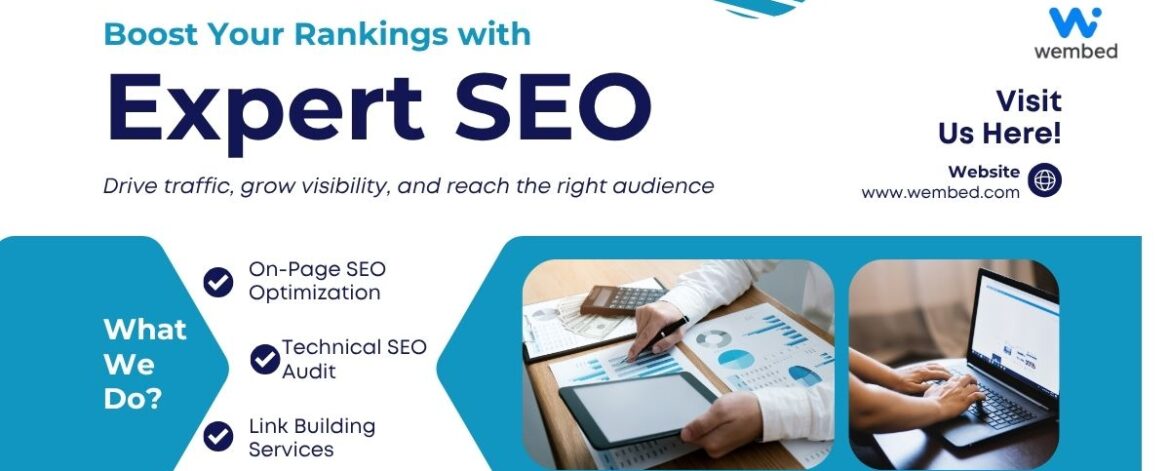

In today’s digital world, simply having a website is no longer enough. Businesses, bloggers, and brands must actively work to improve their online visibility if they want to attract qualified visitors. Organic traffic remains one of the most valuable sources of website growth because it brings users who are already searching for products, services, or information related to your business.
Unlike paid advertising, organic traffic delivers long-term results and helps establish credibility with both search engines and users. However, achieving sustainable growth requires a strategic approach that combines technical SEO, content marketing, and user experience optimization.
Let’s explore ten proven strategies that can help increase your organic website traffic and improve your search engine rankings in 2025.
1. Focus on Search Intent Rather Than Just Keywords
Modern SEO is no longer about stuffing pages with keywords. Search engines have become increasingly sophisticated in understanding user intent. Before creating content, identify what users actually want when they search for a particular query.
Are they looking for information, comparing products, or ready to make a purchase? By aligning your content with the user’s intent, you can improve engagement metrics and increase your chances of ranking higher in search results.
Creating content that directly answers user questions builds trust and encourages visitors to stay on your website longer.
2. Publish High-Quality, In-Depth Content
Content continues to be the foundation of successful SEO strategies. Search engines prioritize content that provides value, solves problems, and demonstrates expertise.
Instead of publishing short articles frequently, focus on creating comprehensive guides, tutorials, case studies, and industry insights. Well-researched content naturally attracts backlinks, increases social shares, and encourages repeat visits.
The goal is to become a trusted resource within your niche rather than simply adding more pages to your website.
3. Optimize for Long-Tail Keywords
Long-tail keywords are specific search phrases that often have lower competition and higher conversion rates. While broad keywords can be difficult to rank for, long-tail terms help you target users who know exactly what they need.
For example, targeting “best CRM software for small businesses” can be more effective than targeting the broader keyword “CRM software.”
Integrating relevant long-tail keywords throughout your content can help attract highly targeted traffic and improve ranking opportunities.
4. Improve Core Web Vitals and Website Speed
Website speed is a critical ranking factor and a major component of user experience. Visitors expect pages to load quickly, and delays can significantly increase bounce rates.
Optimize images, enable browser caching, minimize unnecessary scripts, and use a reliable hosting provider to improve loading times. Google’s Core Web Vitals metrics, including loading performance, interactivity, and visual stability, should be monitored regularly.
A faster website not only improves rankings but also enhances user satisfaction.
5. Ensure Mobile-First Optimization
With most internet users accessing websites through mobile devices, mobile optimization has become essential. Google primarily uses mobile versions of websites for indexing and ranking.
Your website should provide a seamless experience across all screen sizes, including smartphones and tablets. Responsive design, easy navigation, and mobile-friendly layouts contribute significantly to better search visibility and user engagement.
6. Strengthen Your Internal Linking Structure
Many website owners focus heavily on backlinks while overlooking internal links. A strong internal linking strategy helps search engines understand your website structure and discover important pages.
Internal links also distribute authority throughout your website and encourage visitors to explore additional content. Connecting related articles, service pages, and resources can increase page views and improve overall site performance.
7. Build High-Authority Backlinks
Backlinks remain one of the strongest ranking signals in SEO. However, quality matters far more than quantity.
Focus on earning links from reputable websites within your industry through guest posting, digital PR, industry partnerships, and valuable content creation. Authoritative backlinks signal trust and relevance to search engines, helping improve rankings and organic visibility.
Avoid spammy link-building tactics that can negatively impact your website’s performance.
8. Leverage Schema Markup for Enhanced Visibility
Structured data, commonly known as schema markup, helps search engines better understand your content. Implementing schema can increase your chances of appearing in rich snippets, FAQs, review stars, and other enhanced search features.
These visual enhancements can improve click-through rates and make your listings stand out from competitors in search results.
Schema markup is especially beneficial for businesses, blogs, e-commerce websites, and local service providers.
9. Utilize Social Media to Amplify Content Reach
Although social media signals are not direct ranking factors, they play a crucial role in content distribution. Sharing content across relevant platforms increases visibility and can generate traffic, backlinks, and brand awareness.
Engage with your audience through meaningful conversations, answer questions, and encourage content sharing. The broader your content reaches, the greater the opportunity to attract new visitors and earn natural backlinks.
10. Regularly Update Existing Content
SEO success isn’t just about creating new content. Updating older articles can often produce faster results than publishing new pages.
Review your existing content regularly and refresh outdated information, statistics, examples, and screenshots. Add new insights, optimize for emerging keywords, and improve readability.
Search engines favor content that remains accurate, relevant, and useful to users. Regular updates demonstrate ongoing value and can help maintain or improve rankings over time.
Additional SEO Trends to Watch in 2026
The SEO landscape continues to evolve rapidly. Businesses should also pay attention to:
- AI-powered search experiences
- Voice search optimization
- User experience (UX) signals
- Topical authority building
- E-E-A-T (Experience, Expertise, Authoritativeness, and Trustworthiness)
- Video SEO and visual search optimization
Incorporating these emerging trends into your strategy can help future-proof your website and maintain competitive rankings.
Conclusion
Growing organic website traffic is a long-term investment that requires consistency, patience, and continuous optimization. By focusing on search intent, creating exceptional content, improving technical SEO, and building authority within your niche, you can establish a sustainable flow of qualified visitors.
Remember, successful SEO is not about chasing algorithms—it’s about providing the best possible experience for your audience. When users find value in your content, search engines are more likely to reward your website with higher rankings and increased visibility.
Start implementing these strategies today, and you’ll be well-positioned to achieve lasting organic growth in 2025 and beyond.
If you’re ready to grow your business online, Wembed can help you every step of the way. From building high-performing websites with our Web Development Services, increasing qualified traffic through SEO Optimization Services, generating more leads with Google & Social Media Ads, to strengthening your brand with Social Media Marketing Services, our team delivers complete digital solutions tailored to your goals. Get your free website audit today and discover where you’re losing potential customers—and how to turn more visitors into paying clients.